






With the advancement of society, increasing attention has been given to the issue of indoor environmental pollution, with air pollution and noise pollution emerging as the most critical concerns.
According to the Indoor Air Pollution and Health report published by the World Health Organization (WHO) in September 2011, the level of indoor air pollution is currently 5–10 times higher than that of outdoor pollution, with 4% of global diseases being linked to indoor air quality. On average, individuals spend approximately 20 hours a day in indoor environments. Incomplete statistics suggest that a significant portion of the population suffers from illnesses caused by poor indoor air quality each year, with some cases even posing life-threatening risks.



Noise pollution, one of the three major global environmental pollutants, is often overlooked. However, noise-related health issues are on the rise annually, significantly impacting individuals' quality of life and physical well-being. Prolonged exposure to indoor noise pollution can result in hearing impairment, including threshold shifts, and may lead to health risks such as elevated blood pressure, irritability, and reduced sleep quality.

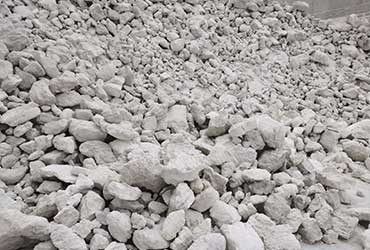
The natural basalt ore used in NORBA DERUCCS products comes from the Hannuoba basalt mine in the north of Zhangjiakou, China. As early as more than 25 million years ago, the Hannuoba alkaline basalt was formed with the violent movement of the earth's crust. Because of its low viscosity and high fluidity, it is easier to extract longer basalt fibers. This ensures that the quality of rock wool fiber products made from it is excellent and stable.
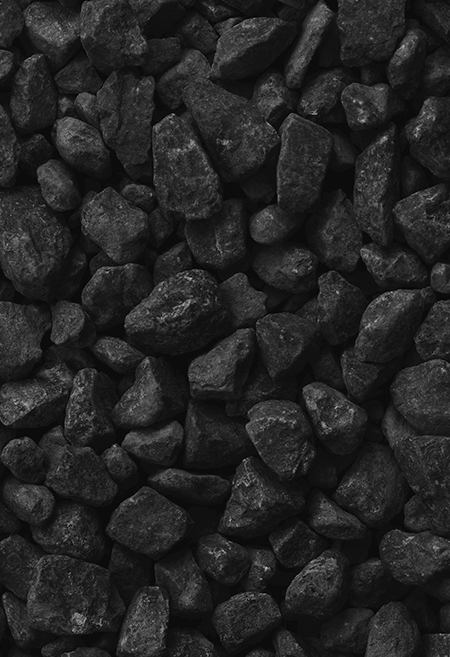
Basalt is a basic extrusive rock. It is a dense or foamy rock formed by the magma erupted from a volcano and solidified after cooling on the surface. It is a magmatic rock. Its rock structure often has pores, almond-shaped structures and porphyritic structures, sometimes with large mineral crystals. Unweathered basalt is mainly black and gray, and there are also dark brown, dark purple and gray green. The volume density of basalt is 2.8~3.3g/cm3. Its compact structure has a high compression strength of 300MPa or even higher, but if it contains crystalline impurities and pores, the strength will be reduced. Basalt is very durable, with many joints, and the joint planes are mostly hexagonal. (In basalt lava flows, the vertical condensation surface of the rock often develops into regular hexagonal columnar joints)
• Clean and environmentally friendly
• Purely inorganic
• Abundant and renewable